
How a social housing structural warranty works
Five steps from first enquiry to a final certificate for every home, whoever ends up owning it - and what we need from you along the way.
- Instant response
- Insurer quotes usually within one working day of your proposal
- UK FCA Regulated Broker
- No broker fee to pay
- Rent, shared ownership and sale
The process
Five steps to a structural warranty
Tell us about the scheme
The site, who is developing it, who will own the homes, the tenure mix and where the build is up to.
Initial assessment
We approach providers with an appetite for the scheme and check they are likely to suit your funders and buyers' lenders.
Your quote
A written quotation naming the provider, with the premium and each fee shown separately, plus our terms of business.
Registration and inspections
Once you accept and the provider has everything it needs, the scheme is registered, ideally before work starts, and the provider's surveyor inspects at key stages.
Certificates issued
Each home normally receives its own final certificate as it completes, ready for its landlord, buyer or lender.
What we need from you
Information we usually need to quote
You do not need all of this to make an enquiry - the basics are enough to find out which providers are interested. The more you can send, the faster a firm quotation follows.
- Developer and contractor names, and who will own the homes
- Site address and a short description of the scheme
- Number of homes, their sizes and the tenure of each
- Total build cost - the rebuild cost, not the sale value
- Planning permission, including any section 106 or similar agreement
- Architect's plans and elevations
- Structural calculations and the ground investigation report
- For conversions, a structural condition survey of the existing building
- Any warranty requirements set by your funder or lender
- Helpful extras: building control reports (especially if work has started), company accounts and your contractor's track record
Inspections
What happens during the build
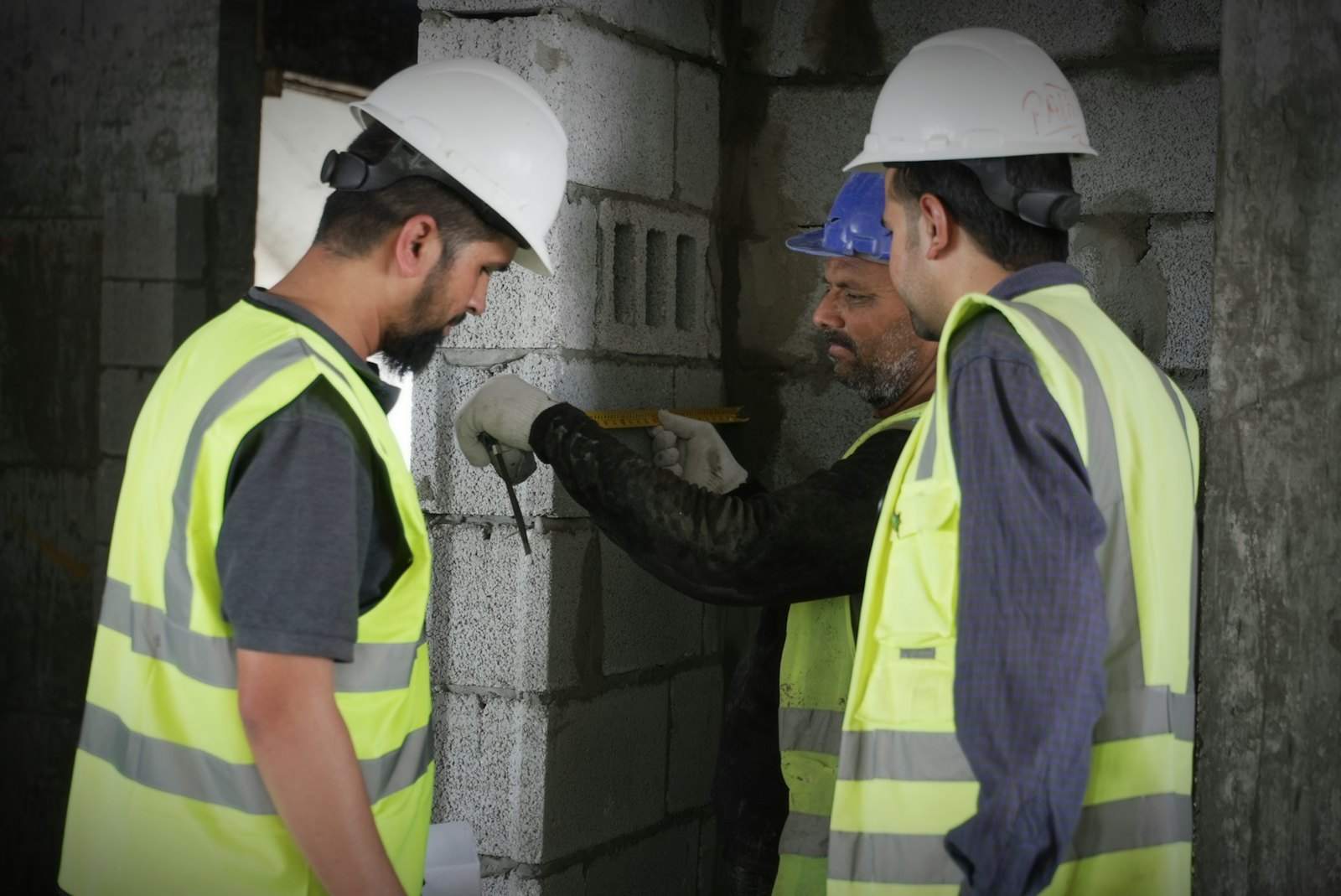
The provider's surveyor visits at the stages that matter most to the structure. The exact points vary by provider and by build method, but they typically include:
- foundations and below-ground drainage, before they are covered up
- the superstructure - walls, frame and floors
- the roof structure and the external envelope
- pre-completion and final checks on each home
For modular and other MMC homes, providers may add checks on the factory and on installation. Anything the surveyor asks to be put right is dealt with on site and signed off before the final certificate is issued. These inspections are for the warranty provider and sit alongside, not instead of, building control and your own clerk of works.

Paperwork
Terms, certificates and records
Before cover is arranged
You receive our terms of business and a statement of your demands and needs before any cover is bought. We act as a broker on a non-advised basis, and the provider named in the quotation provides the cover.
A certificate for every home
Most providers confirm registration with an initial certificate or cover note, then issue a final certificate for each home at completion. Housing providers should keep these with their property records.
After completion
Cover normally runs for 12 years from completion and usually stays with the home if it changes hands, subject to the policy wording. Any claim goes to the provider or insurer named on the certificate.
How it works - common questions
When should a housing provider start the warranty process?
As early as possible - ideally at design stage and certainly before work starts on site. Registering late narrows the choice of provider and usually costs more.
Do we pay anything before accepting a quote?
No. Quotations are free and there is no obligation. There is no broker fee to pay. We are paid by commission from the warranty provider, which is included in the premium. The premium and the provider's fees only become payable once you accept terms and the scheme is registered.
Who appoints the inspecting surveyor?
The warranty provider uses its own surveyors or an inspection service it appoints, who inspect to the provider's technical standards. They do not replace your employer's agent, clerk of works or building control.
Why do you need to know who will own the homes?
It affects who the cover needs to protect, which lenders will be involved and how the certificates are handed over. A home for social rent, a shared ownership home and a home for sale can all sit on one site.
Begin with the basics
A minute on the form is all it takes to get step one under way. We will call to fill in the gaps.
- Takes under a minute
- Instant reply by email with your reference
- Insurer quotes usually within one working day of your completed proposal
- Schemes anywhere in England, Scotland, Wales and Northern Ireland
- Free and no obligation
Already filled in a proposal form? Email it to us or send it on WhatsApp with any drawings you have and we will take it from there.